The Federal EV Charger Tax Credit Expired: Here’s What Still Saves You Money in California
Key Points
- The federal tax credit for home EV charger installation, known as Section 30C, expired on June 30, 2026, and was not renewed.
- The One Big Beautiful Bill Act moved up the credit’s original 2032 expiration date, ending it years earlier than most homeowners expected.
- Only chargers actually installed and turned on by that date qualified, no matter when the project was quoted or paid for.
- Southern California Edison’s Charge Ready Home program is a separate, currently active rebate that covers the electrical work behind a charger installation, not the charger itself.
- Eligible homeowners can receive up to $4,200 if income-qualified, or up to $2,100 if their home sits in a state-designated disadvantaged community.
- The rebate requires a licensed electrical contractor. DIY work and unlicensed installs do not qualify under any circumstances.
- Homeowners who do not qualify for either tier still have real ways to lower long-term charging costs, including EV-specific electricity rate plans.
- Information in this article is current as of September 2026 and will be updated if either program changes.
Introduction
If you search for information on EV charger tax credits right now, you will run into a lot of advice that used to be true. Older blog posts, forum threads, and even a few local electrician websites still describe a 30 percent federal credit worth up to $1,000 for installing a home charger. That credit is gone. It expired on June 30, 2026, and nothing at the federal level has taken its place.
That does not mean the savings disappeared entirely. Southern California Edison still runs an active rebate program for homeowners in its service area, including Glendora, San Dimas, La Verne, Azusa, and Pasadena, and it can be worth more than the old federal credit ever was. This article walks through exactly what changed, what is still available, and how to find out what applies to your project.
Did the Federal EV Charger Tax Credit Really Expire?
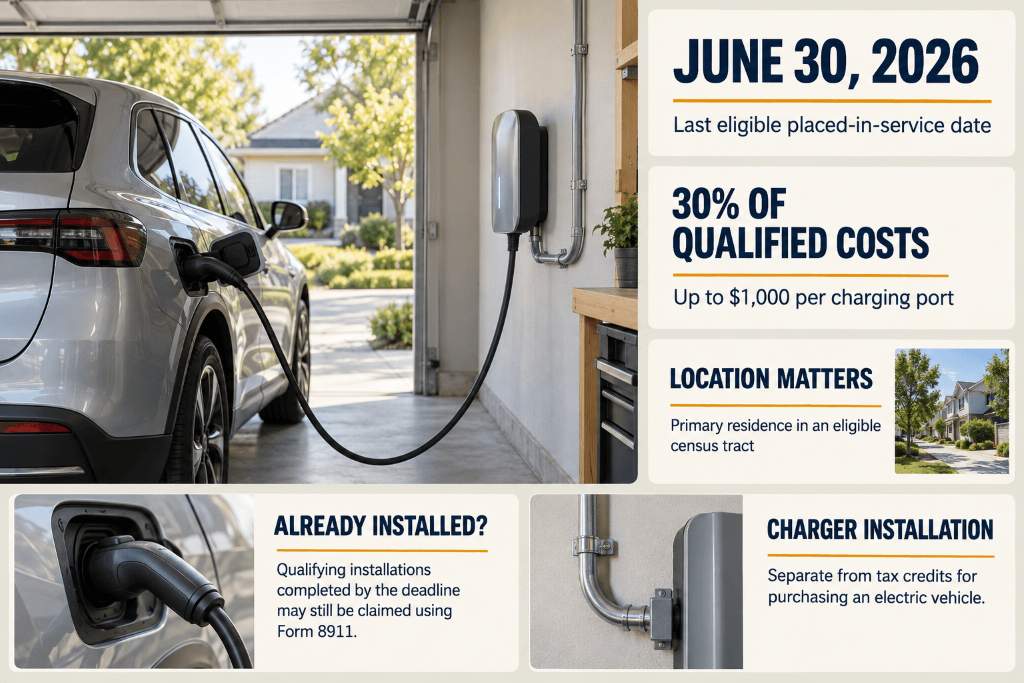
Yes. The credit under Internal Revenue Code Section 30C, which covered 30 percent of a home charger installation up to $1,000, expired on June 30, 2026. It has not been extended or replaced.
The reason it ended earlier than expected traces back to the One Big Beautiful Bill Act, signed into law in 2025. That legislation moved Section 30C’s original 2032 expiration date up by several years, closing the credit far sooner than most homeowners, and honestly, most electricians, were expecting.
One clarification worth making here: this is separate from the federal tax credit for purchasing an EV itself. That is a different program with its own rules and timeline. This article deals only with the credit for installing home charging equipment.
Does the Expiration Affect Me if I Already Got a Quote or Paid a Deposit?
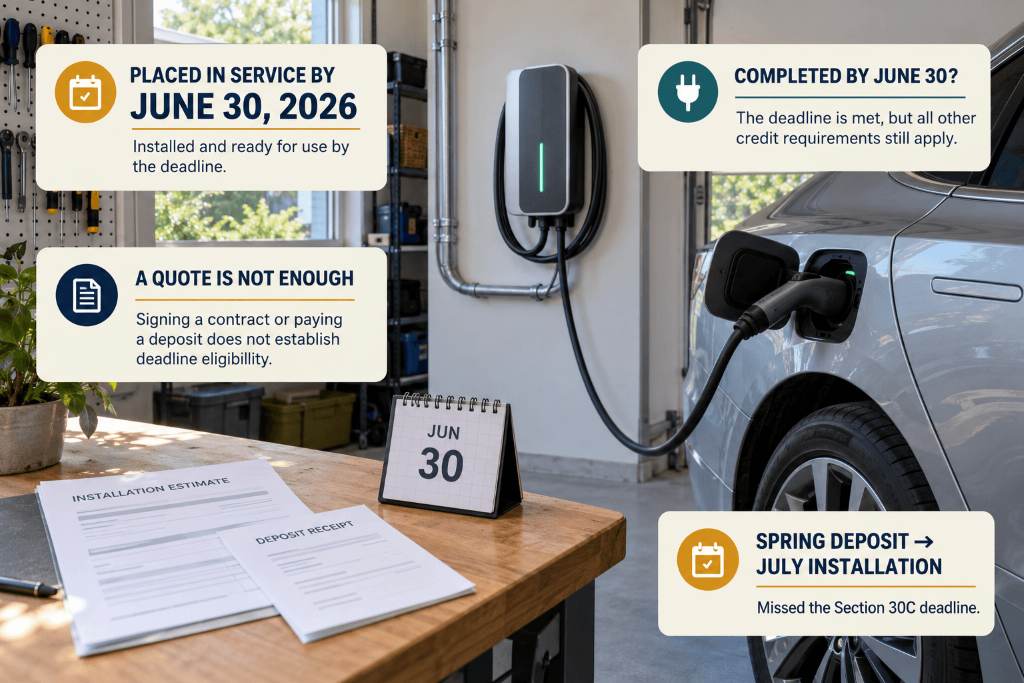
The rule that decides this is simple but unforgiving. Only chargers placed in service on or before June 30, 2026 qualified for the credit, regardless of when the contract was signed or the deposit was paid.
That means a homeowner who locked in a quote in the spring but did not complete the installation until July missed the window entirely. It is a frustrating piece of timing, and it deserves a straight answer rather than a surprise at tax time.
Is There Still an EV Charger Rebate Available in California?
Yes, just not from the federal government anymore. Southern California Edison offers a program called Charge Ready Home, and it is currently active for eligible SCE customers.
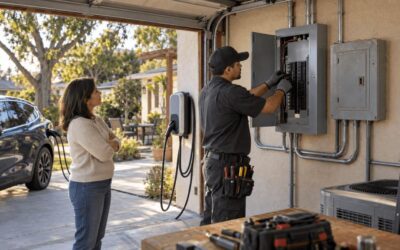
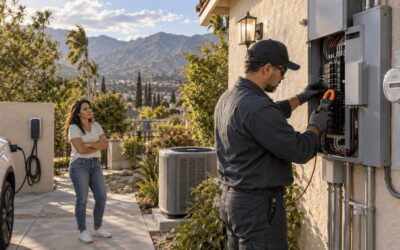
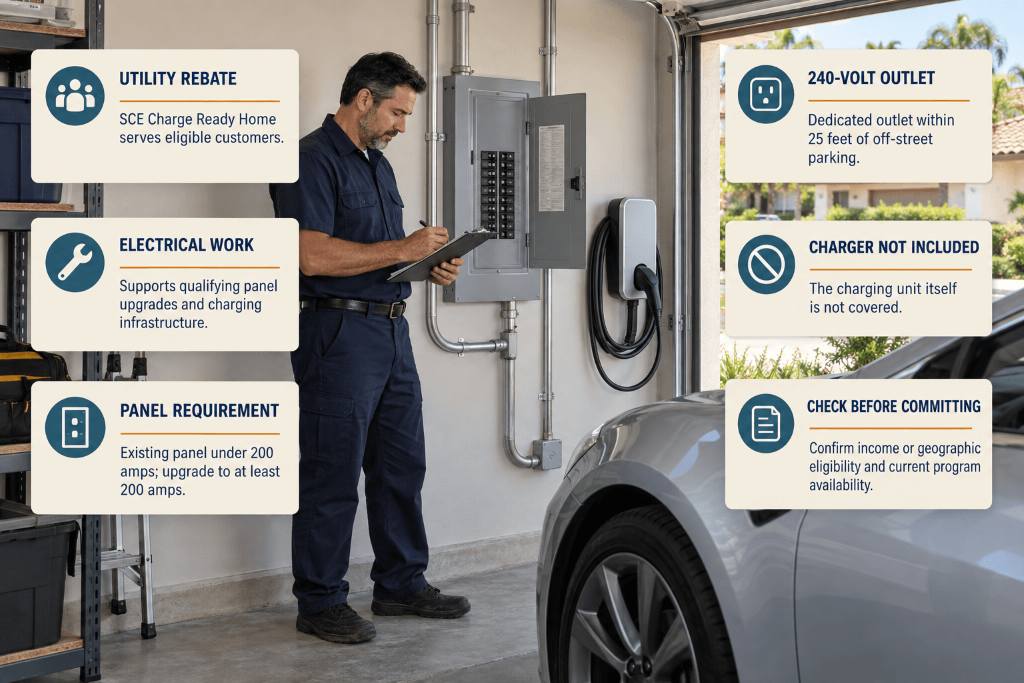
The distinction that trips people up is what the rebate actually pays for. Charge Ready Home does not cover the cost of the charger itself. It reimburses the electrical work required to support one, which is often the more expensive part of the project anyway. That typically includes a panel upgrade for homes under 200 amps, a dedicated 240-volt circuit, and wiring within 25 feet of where the charger will sit.
As of this writing, SCE has not published an end date or funding cap for the program. Utility rebates can close with little warning once funding runs out, so it is worth confirming current status before counting on it. A full walkthrough of the application process, including required documents and typical timelines, is covered in a separate guide focused entirely on Charge Ready Home.
How Much Can Homeowners Actually Get Back?
The rebate has two tiers, and which one applies depends on household eligibility.
- Up to $4,200 for income-qualified households, including those enrolled in CalFresh, Medi-Cal, or SSI, or earning below 80 percent of the area median income.
- Up to $2,100 for homes located in a state-designated disadvantaged community, based on California’s official mapping of these areas.
Both figures are accurate today, but treat them as a starting point for a real conversation rather than a guarantee. Program terms shift, and the smartest move is confirming eligibility directly rather than budgeting around numbers from an article, including this one.
What if I Do Not Qualify for Either Rebate Tier?
This is the situation most homeowners will actually be in, so it deserves a real answer instead of a shrug. Not qualifying for Charge Ready Home does not mean there is nothing left to help with cost.
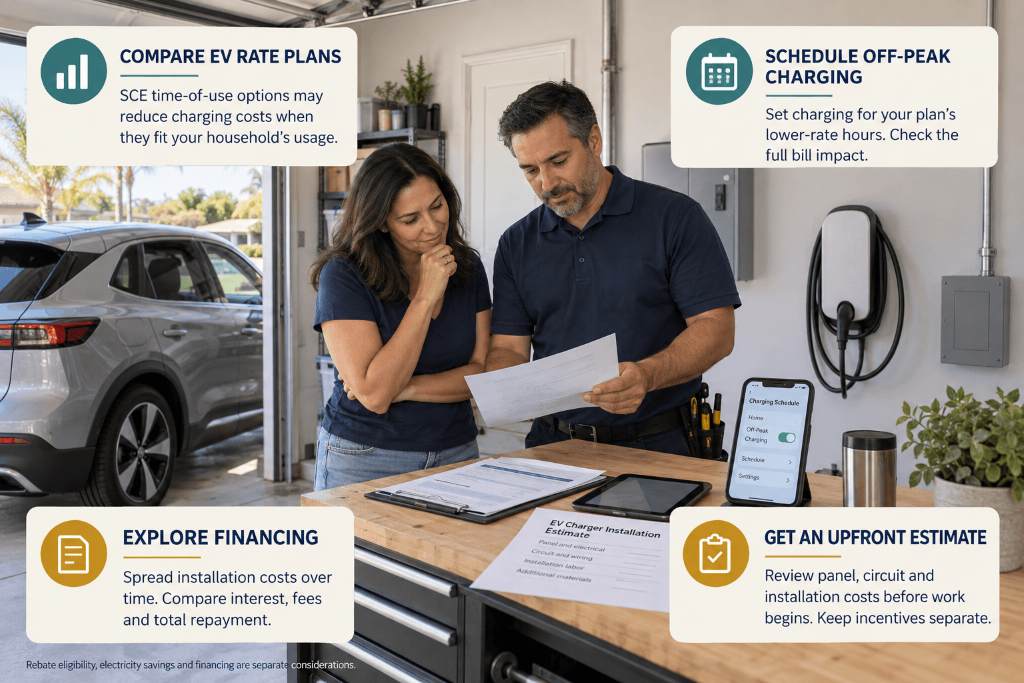
SCE also offers electric vehicle-specific rate plans that shift charging costs to off-peak hours, which can meaningfully lower what you pay to charge at home over time, rebate or not. Financing is another option many homeowners use to spread out the cost of a panel upgrade. And because Pro Electric prices projects clearly and upfront before any work begins, you will always know the real cost of the job itself, separate from whatever incentives may or may not apply.
Do I Qualify, and How Do I Find Out?
You do not need to research this on your own before calling anyone. Jack checks eligibility for Charge Ready Home during the initial visit, at no cost and with no commitment, as part of evaluating your panel and the rest of the project.
Homeowners across Glendora, San Dimas, La Verne, Azusa, and Pasadena who are served by Southern California Edison can have this checked on site, often during the same visit where the project itself gets scoped and priced.
Does My Electrician Need to Be Licensed for This Rebate to Count?
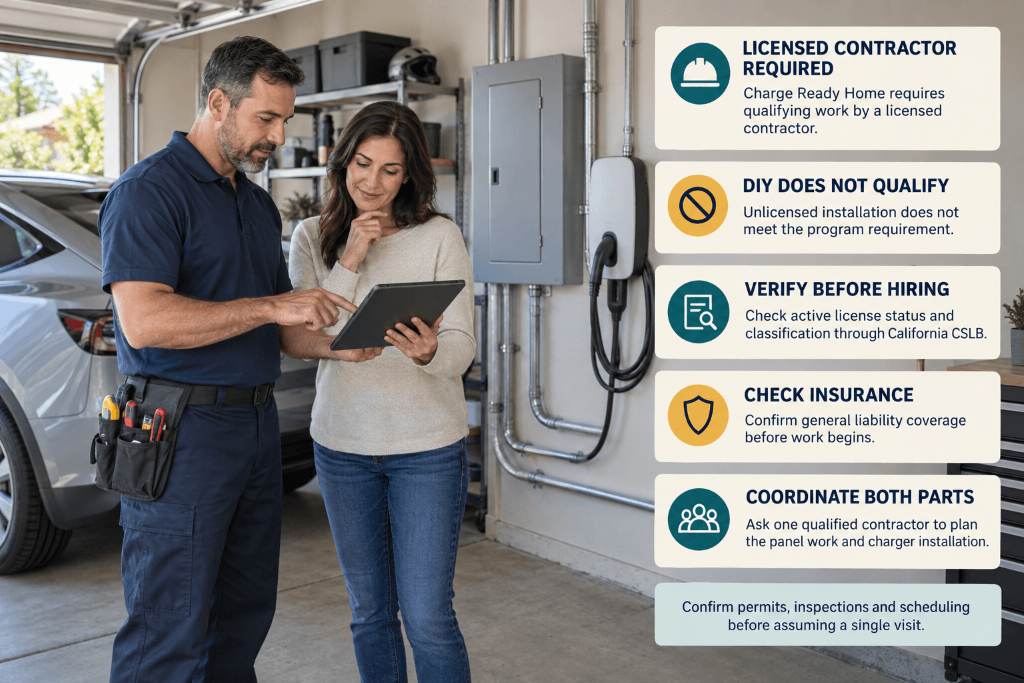
Yes, and there is no flexibility here. The program requires a licensed electrical contractor. DIY work and unlicensed installs are disqualified outright.
Pro Electric Services holds California Contractor License #1005721, which the California Contractors State License Board makes publicly searchable for anyone who wants to verify it. Because the license covers both the qualifying electrical work and the charger installation itself, both parts of the job can happen in the same visit, with the same electrician, rather than being split between separate crews.
Real World Examples
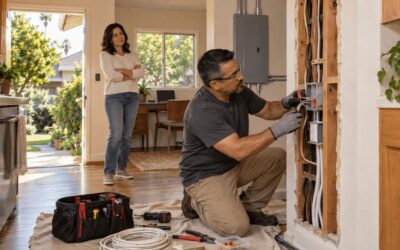
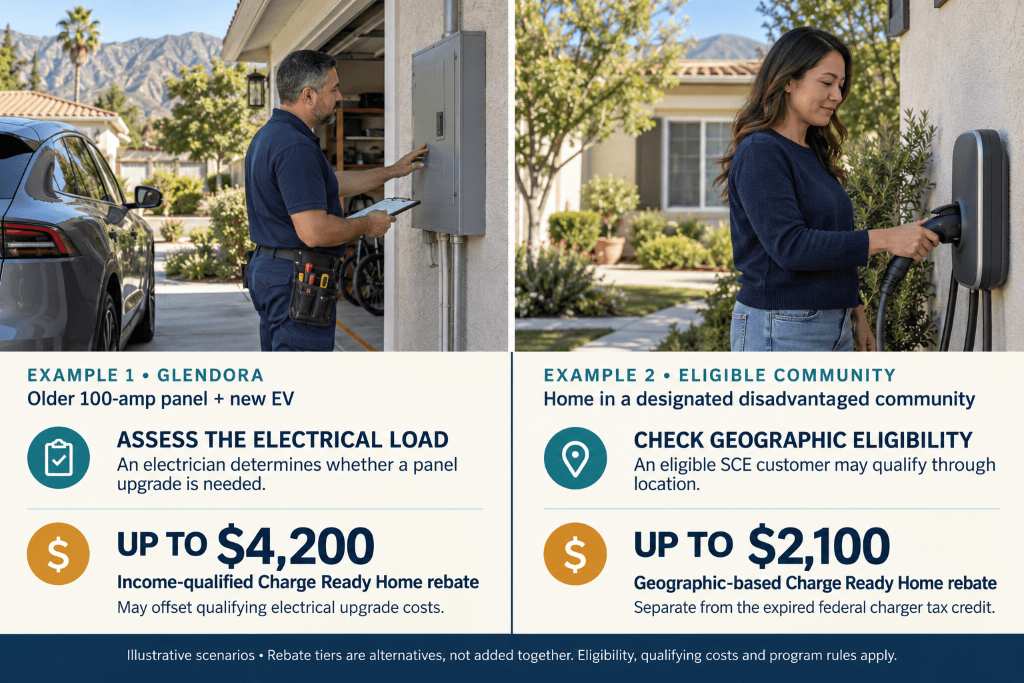
Consider a homeowner in Glendora with an older 100-amp panel who just brought home a new EV. That panel cannot safely support a Level 2 charger without an upgrade, so the electrical work is happening either way. If the homeowner qualifies under the income tier, the $4,200 Charge Ready Home rebate can offset a meaningful share of that upgrade cost. The exact number depends on the scope of the project, but this is precisely the kind of expense the program was designed to cover.
Now consider the math from a different angle. A homeowner assumes, correctly, that the expired federal credit no longer applies to them. Where the assumption falls apart is stopping there. If that home sits inside a designated disadvantaged community, the $2,100 tier is still available, federal credit or not. The missed savings in this case were not the result of bad math. They came from closing the research one program too early.
Expert Tips From Jack
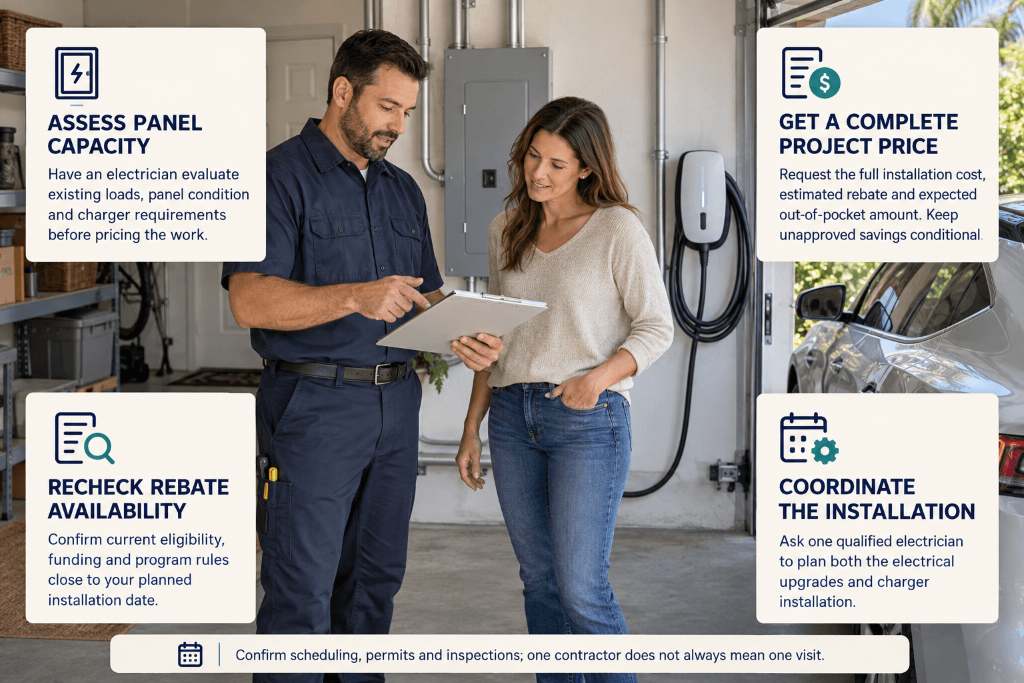
- Check your panel capacity before assuming a price. The charger itself is rarely the expensive part of the project. The electrical work behind it usually is, and that is also where the rebate applies.
- Ask for one total project number rather than a separate rebate estimate. A single clear price that already accounts for likely eligibility is easier to plan around than a charger quote plus a vague promise about savings later.
- Confirm rebate status close to the time you plan to move forward, not months in advance. Program funding and eligibility rules can change, so treat any number you read online, including the ones in this article, as a starting point rather than a locked-in figure.
- Have the same electrician handle both the qualifying electrical work and the charger installation. Splitting the job between two contractors usually means two service calls and two invoices for work that could have been one visit.
Conclusion and CTA
Programs like this come and go faster than most homeowners expect, and the federal EV charger credit is proof of that. What matters more than any single incentive is working with someone who actually tracks these changes and tells you the truth about what applies right now, not what used to apply a year ago.
If you are planning a Level 2 charger installation and want to know exactly what you qualify for, request an EV charger estimate from Pro Electric or call (818) 355-3488. Jack checks your Charge Ready Home eligibility in the same visit where he evaluates your panel, so you get one clear answer instead of piecing it together yourself.
Frequently Asked Questions
Yes, as of June 30, 2026, the federal credit under Section 30C expired and has not been renewed. There is nothing currently proposed that would bring it back, though tax law can change, and this article will be updated if that happens.
The federal credit was a tax benefit applied when filing your return, while Charge Ready Home is a utility rebate administered directly by Southern California Edison. They also cover different things, since the federal credit applied to the charger installation broadly, while Charge Ready Home specifically reimburses the electrical work behind it.
Cost varies widely depending on your panel’s current capacity and how much electrical work is needed to support the charger. A newer panel with available capacity keeps costs relatively low, while an older or undersized panel that needs an upgrade adds meaningfully to the project, which is exactly the expense Charge Ready Home is built to help offset.
Charge Ready Home is a residential program only. Commercial and fleet charging installations fall under different SCE programs with their own eligibility rules.
This depends on the specifics of your project, and it is something Jack walks through directly during your visit. You will never be left to figure out the paperwork on your own.
Approval timelines depend on current program volume and which eligibility tier applies to you. Ask for a current estimate when you schedule your visit, since a timeline from an older article will not necessarily hold by the time you apply.
It might, depending on whether you still need a dedicated circuit or new wiring run to reach the charger’s location. It is worth having this checked rather than assuming a newer panel rules you out automatically.
No. Charge Ready Home is specific to Southern California Edison’s service territory. If a different utility serves your home, this particular program will not apply, though your utility may offer something comparable.
In many cases, yes. Financing the electrical work while applying the rebate toward the total cost is a common approach, and Jack can walk through what that looks like for your specific project during your estimate.
Charge Ready Home is generally aimed at single-family homeowners, though eligibility details can vary by property type. If you own a rental or multi-family property, it is worth confirming your specific eligibility directly rather than assuming the program does or does not apply.